

Are Dental Implants Painful? What Patients Should Expect
Dental implants provide a stable way to replace missing teeth and restore everyday chewing function. Patients often ask whether the procedure is painful and how long recovery takes.
Patients who have never had oral surgery often worry about whether implant treatment will be painful. Implant treatment is planned and performed under anesthesia to keep the treatment area comfortable.
Understanding each stage of treatment helps patients prepare for implant surgery and recovery.
Patients considering dental implants in Corona, CA usually begin with a consultation. During this visit, the dentist evaluates the health of the gums and jawbone, reviews medical history, and determines whether implant treatment is appropriate.
Knowing what to expect during each stage of treatment can make the experience easier to manage.
What Patients Feel During Implant Placement
Most patients report little discomfort during implant surgery itself. Local anesthesia is used to numb the treatment area before the procedure begins.
Because the area is numb, patients usually do not feel pain during implant placement. However, some pressure or vibration may be noticeable as the dentist prepares the bone and places the implant.
During implant placement, the dentist regularly checks the patient’s comfort level.
For patients who feel uneasy about dental procedures, sedation options may be discussed to help them remain relaxed during the procedure.
A local dentist in Corona, CA will typically review comfort options before scheduling implant surgery so patients understand how the procedure will be managed.
What Happens During the Implant Procedure
Dental implant placement involves inserting a small titanium post into the jawbone where a missing tooth once existed. This post serves as a replacement tooth root that will later support a crown or another type of dental restoration.
Once the treatment area is numb, the dentist makes a small opening in the gum tissue to reach the underlying bone. A specialized instrument is then used to prepare a precise space for the implant.
The implant is placed into this prepared area and positioned to remain stable during healing. In some cases, a small healing component may be attached to the implant.
After the procedure, the gum tissue begins to heal around the implant. Over time, the bone gradually bonds with the implant surface through a process known as osseointegration.
This stage stabilizes the implant so it can support a replacement tooth.
What Discomfort Is Normal After Implant Surgery
After the anesthesia wears off, mild soreness in the treated area is normal. This discomfort is usually temporary and improves as the tissues heal.
Typical pain after dental implant surgery may include mild swelling, tenderness near the implant site, or minor bruising in the surrounding tissue. These symptoms are usually most noticeable during the first few days after surgery.
Many patients manage these symptoms with pain medication recommended by their dentist. Cold compresses applied to the outside of the face during the first day can also help reduce swelling.
Post-surgery soreness depends on the number of implants placed and the patient’s healing response.
Most patients notice that soreness begins to ease within a few days as tissues recover.
Steps That Can Help Reduce Discomfort During Recovery
Following the dentist’s after-care instructions helps protect the surgical area during recovery.
After surgery, patients are typically encouraged to rest for the first day and avoid activities that may trigger bleeding or swelling.
Soft foods are usually recommended during the early healing period. Foods such as yogurt, soup, eggs, and smoothies are easier to eat without placing pressure on the surgical area.
Keeping the mouth clean is also important. Dentists may recommend gentle rinsing with saltwater or a prescribed rinse to reduce bacteria near the implant site.
Understanding the typical dental implant recovery timeline can also help patients know what to expect as healing progresses. Initial gum healing usually occurs during the first week, while bone integration continues for several months before the final restoration is placed.
When You Should Contact Your Dentist
Although mild soreness is expected, certain symptoms should be evaluated by a dental professional.
Patients should contact their dentist if swelling worsens several days after surgery.
Other warning signs may include persistent bleeding, fever, or unusual discharge near the implant site. These symptoms may indicate infection or delayed healing.
Follow-up visits allow the dentist to examine the implant site and assess recovery.
Patients receiving dental implants in Corona, CA are usually scheduled for follow-up visits so the dentist can monitor healing and determine when the final restoration can be placed.
Frequently Asked Questions
Most patients feel little pain during the procedure because the treatment area is numb. Mild soreness after surgery is normal and usually temporary.
The early healing period typically lasts about one week. Complete bone integration often takes several months.
Yes. Mild swelling around the surgical area is common during the first few days after the procedure.
Soft foods are usually recommended during early healing. Normal chewing can gradually return as the area becomes comfortable.
Conclusion
Dental implant treatment is a predictable and widely used method for replacing missing teeth. Understanding what happens during treatment and how recovery progresses helps patients prepare for the healing period. Patients considering implant treatment can discuss their concerns and treatment options with the team at Everglow Family Dentistry – Corona, CA, where a dentist can evaluate oral health and determine whether implant treatment is appropriate.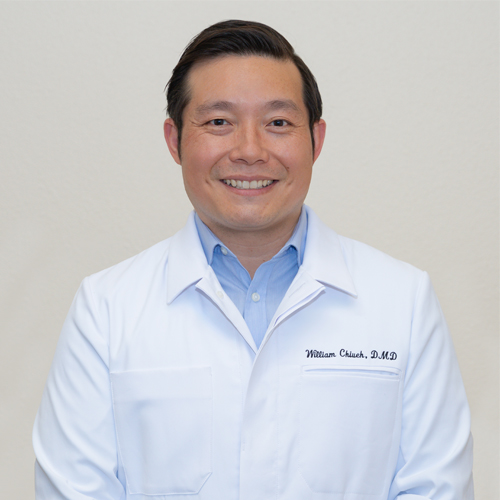
Dr. William L Chiueh
Dr. William L. Chiueh is a general and cosmetic dentist at Everglow Dental in Corona, CA. In his day-to-day practice, he focuses on helping patients feel comfortable, informed, and confident about their dental decisions especially when those decisions feel unfamiliar or overwhelming. His work is guided by the belief that good dentistry starts with listening.
With more than a decade of clinical experience, Dr. Chiueh provides a wide range of care, including Invisalign orthodontic treatment, teeth whitening, and restorative dentistry. He approaches each case individually, taking time to explain findings, talk through options, and recommend care based on what makes sense for the patient—not just what is possible clinically.
Dr. Chiueh earned his Doctor of Dental Surgery (DDS) degree and continues to stay current with evolving dental techniques and technology through ongoing education. He values clear communication and prefers straightforward conversations over rushed explanations or one-size-fits-all treatment plans.
Patients seeking Invisalign or comprehensive dental care in Corona and nearby Riverside County communities can expect an experience that feels personal, unhurried, and grounded in trust. Dr. Chiueh’s goal is simple: to provide care that patients understand, feel good about, and can rely on long term.